The War Airdrop Scam represents a sophisticated social engineering attack that exploits public interest in cryptocurrency airdrops and geopolitical events to deceive victims into compromising their cryptocurrency wallets. Unlike traditional malware that infects systems through executable files, this scam operates primarily through fraudulent websites and social media campaigns that trick users into connecting their Web3 wallets to malicious smart contracts. Once connected, victims unknowingly authorize transactions that drain their digital assets. This scam has proliferated across multiple blockchain networks, targeting both novice and experienced cryptocurrency holders.
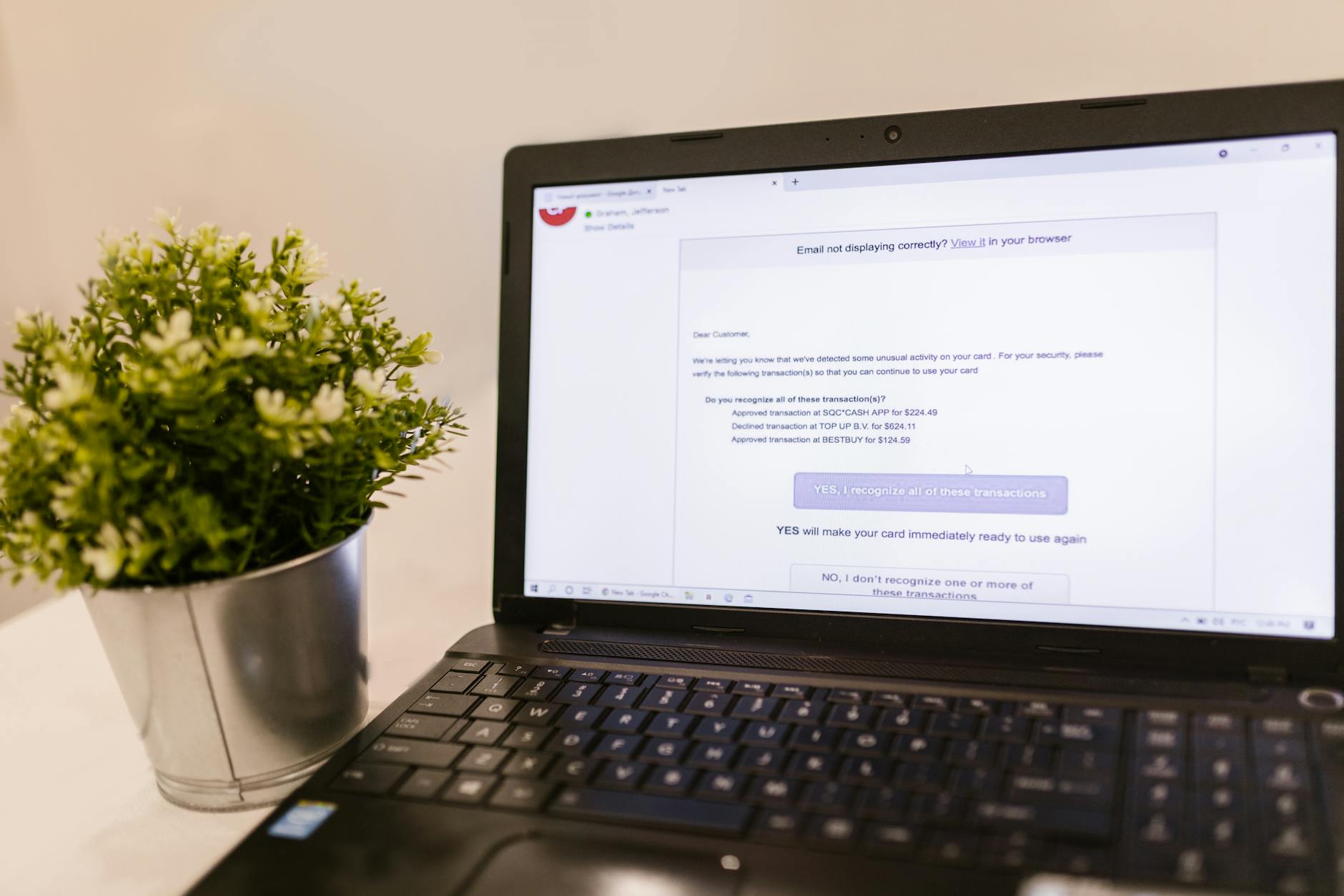
The scam typically presents itself as a legitimate token distribution related to humanitarian efforts or political causes, leveraging urgency and emotional manipulation to bypass users' normal security instincts. While the initial contact may occur through social media, email, or messaging platforms, the actual theft happens when victims interact with fraudulent decentralized applications (dApps) that masquerade as official airdrop claim portals.
Threat Profile
| Attribute | Details |
|---|---|
| Threat Type | Cryptocurrency scam, phishing attack, wallet drainer |
| Primary Target | Cryptocurrency wallet holders (MetaMask, Trust Wallet, Coinbase Wallet users) |
| Distribution Method | Social media campaigns, fraudulent websites, email phishing, messaging apps |
| Platforms Affected | All platforms with Web3 wallet extensions (Windows, macOS, Linux, mobile) |
| Blockchain Networks | Ethereum, Binance Smart Chain, Polygon, Arbitrum, and other EVM-compatible chains |
| Attack Vector | Malicious smart contract approval, wallet signature requests |
| Financial Impact | Complete wallet drainage possible; losses range from hundreds to millions of dollars |
| Detection Difficulty | High — appears as legitimate dApp interaction; no traditional malware signatures |
| Persistence Mechanism | Smart contract approvals remain active until manually revoked |
| Associated Indicators | Unfamiliar contract addresses, unlimited token approval requests, pressure tactics |
| First Observed | Early 2022 (variants evolve continuously with geopolitical events) |
| Related Campaigns | Ukraine relief scams, refugee fund scams, political token airdrops |
How It Spreads
The War Airdrop Scam spreads through carefully orchestrated social media campaigns that exploit trending topics and humanitarian crises. Scammers create fake Twitter accounts, Discord servers, and Telegram channels that impersonate legitimate cryptocurrency projects, charitable organizations, or government initiatives. These accounts build credibility by purchasing followers, using stolen profile images from actual projects, and engaging in coordinated promotional activity to trend on social platforms.
Once the fake presence is established, scammers announce a time-sensitive airdrop tied to a humanitarian cause or geopolitical event. The messaging creates urgency — "claim your tokens before midnight" or "limited slots available for supporters of [cause]" — to prevent potential victims from conducting thorough research. Links in these announcements direct users to professionally designed phishing websites that closely mimic legitimate cryptocurrency platforms, complete with copied branding, testimonials, and fabricated social proof like fake transaction counters.
Common distribution channels include:
- Social Media Takeovers: Compromised Twitter, Discord, or Telegram accounts of legitimate projects used to promote the scam to established follower bases
- Search Engine Poisoning: Fraudulent websites optimized for searches like "war relief crypto airdrop" or "[country] humanitarian token claim"
- YouTube Video Scams: Fake livestreams impersonating cryptocurrency influencers or news channels promoting the airdrop in chat
- Direct Messaging Campaigns: Unsolicited messages on Discord, Telegram, or WhatsApp with personalized airdrop invitations
- Email Phishing: Messages claiming recipients are eligible based on prior cryptocurrency holdings or wallet activity
- Forum Spam: Posts on Reddit, Bitcointalk, and cryptocurrency forums with convincing backstories and fake user testimonials
- Paid Advertising: Google Ads or social media promotions that appear above legitimate search results
What It Does On Your Machine
The War Airdrop Scam operates differently from traditional malware because it doesn't install files or modify your system. Instead, it exploits the legitimate functionality of blockchain technology to steal cryptocurrency. When you visit the fraudulent airdrop website and click "Connect Wallet," your browser extension (MetaMask, Trust Wallet, etc.) prompts you to approve the connection — a normal process for legitimate dApps. However, the subsequent transaction requests are where the theft occurs.
The malicious website presents what appears to be a token claim transaction, but the smart contract you're actually interacting with contains a hidden approval function. When you sign this transaction, you grant the scammer's contract unlimited permission to transfer tokens from your wallet. This is similar to giving someone a blank check with your signature — they can withdraw any amount at any time. Many users don't realize they've been compromised until they notice their wallet balance has been zeroed out, sometimes hours or days after the initial approval.
The scam may also request multiple signatures during the "claiming" process. These signatures can authorize the transfer of NFTs, approve spending for multiple token types, or even change wallet settings. Sophisticated variants include contract functions that automatically execute token transfers the moment they're approved, giving victims no opportunity to recognize the fraud before assets are stolen. Some versions deploy timing mechanisms that wait several hours before draining the wallet, making it harder for victims to connect the theft to the specific scam interaction.
Manual Removal — Step by Step
Immediately Disconnect and Assess
The moment you suspect you've interacted with the War Airdrop Scam, disconnect your device from the internet by disabling Wi-Fi and unplugging Ethernet cables. This won't stop approved transactions already on the blockchain, but prevents additional malicious interactions. Open your wallet and take screenshots of your current balances, recent transactions, and any unusual activity. Document the URL of the fraudulent website you visited and any transaction hashes from your recent activity.
Revoke All Recent Token Approvals
Reconnect to the internet and immediately use a token approval management tool. For Ethereum-based networks, navigate to Revoke.cash, Unrekt.net, or your wallet's built-in permission manager. Connect your compromised wallet and review all active token approvals. Revoke any approvals granted within the past 48 hours, especially those with unlimited allowances or unfamiliar contract addresses. This process requires gas fees, so ensure you have enough ETH or BNB for transaction costs. Prioritize revoking approvals for your most valuable tokens first.
Create a New Wallet with Fresh Credentials
Never reuse a compromised wallet. Download a fresh wallet application or create a new profile in your existing wallet software. Generate a completely new seed phrase — do not import or reuse your old one. Write this seed phrase on paper and store it securely offline. Do not save it digitally, screenshot it, or store it in cloud services. This new wallet represents your safe destination for any remaining assets.
Transfer Remaining Assets to Safety
After revoking malicious approvals, immediately transfer all remaining cryptocurrency, tokens, and NFTs from your compromised wallet to your new wallet address. Work quickly but verify each destination address carefully — scammers sometimes exploit this panic moment with address-poisoning attacks. Prioritize your most valuable assets first. If you notice transactions failing or assets already gone, document everything for potential law enforcement reports or insurance claims.
Scan for Secondary Malware Infections
While the War Airdrop Scam primarily operates through blockchain approvals, you may have also downloaded malicious browser extensions or executable files from the fraudulent website. Run a full system scan with Malwarebytes Premium or Windows Defender (on Windows) and check your browser extensions list for anything installed recently that you don't recognize. Remove any suspicious extensions immediately, especially those requesting broad permissions or claiming to be "airdrop assistants" or "claim helpers."
Review and Secure Browser Wallet Extensions
Open your browser's extension management page and review permissions for all installed wallet extensions. Ensure you're using official versions from legitimate sources — scammers often create lookalike extensions with names like "MetaMask Pro" or "Trust Wallet Plus." Remove any wallet extensions you don't actively use. Clear your browser cache and cookies, then reinstall your legitimate wallet extension from the official website or Chrome/Firefox store. Import only your new, safe wallet into the fresh extension installation.
Change Connected Account Passwords
If you entered any passwords on the fraudulent website or if your wallet was connected to any cryptocurrency exchanges or DeFi platforms, change those passwords immediately. Enable two-factor authentication (2FA) on all cryptocurrency-related accounts if you haven't already. Check your email account for unauthorized password reset requests or new login notifications. Update your email password as well if you used it to create accounts on the scam website.
Monitor Blockchain Activity and Report the Scam
Add your compromised wallet address to a blockchain monitoring service like Etherscan's watch list to receive alerts about future activity. Report the fraudulent website to the Federal Trade Commission (FTC) at ReportFraud.ftc.gov and to Google Safe Browsing. If you lost significant funds, file a report with the FBI's Internet Crime Complaint Center (IC3). Share the scam details on cryptocurrency community forums to warn others, but avoid posting your wallet address or specific loss amounts publicly.
Document Everything for Potential Recovery
Cryptocurrency theft victims rarely recover funds, but documentation is essential for tax purposes and future legal options. Screenshot all transaction histories showing the unauthorized approvals and transfers. Save the blockchain explorer pages showing the scammer's receiving addresses. Document the fraudulent website URL and any communication with the scammers. Consult with a tax professional about claiming cryptocurrency theft losses on your tax return, as this may provide some financial recovery through deductions.
Verify System Integrity and Establish New Security Practices
Restart your computer in normal mode and verify that all cryptocurrency-related applications and browser extensions are functioning correctly with your new, safe wallet. Never again approve unlimited token allowances — legitimate projects don't require them for airdrops. Bookmark the official websites of projects you use regularly to avoid phishing sites. Consider using a dedicated computer or mobile device exclusively for cryptocurrency transactions, separate from daily browsing activities.
Prevention
- Never approve unlimited token allowances. Legitimate airdrops don't require you to grant smart contracts unlimited spending permission. If a website requests approval with "amount: unlimited" or shows a suspiciously large number, reject the transaction immediately. Use wallet settings to limit approval amounts to specific quantities needed for a single transaction.
- Verify airdrop announcements through official channels only. Before participating in any airdrop, visit the project's official website directly (not through links) and check their verified social media accounts. Legitimate projects announce airdrops on their official channels first, not through unsolicited messages or obscure websites. Cross-reference announcement details across multiple trusted sources.
- Examine smart contract addresses before approving transactions. Copy any contract address your wallet is requesting permission to interact with and search it on blockchain explorers like Etherscan or BscScan. Legitimate contracts have verified source code, significant transaction history, and are linked to recognized projects. New contracts with no history or unverified code are immediate red flags.
- Use separate wallets for different risk levels. Maintain a "hot wallet" with minimal funds for exploring new projects and a "cold wallet" (hardware wallet or secure storage) for significant holdings. Never connect your main storage wallet to unknown websites or experimental dApps. This compartmentalization limits potential losses from any single compromised interaction.
- Enable transaction simulation and warnings. Use wallet extensions that provide transaction simulation features, showing you exactly what a transaction will do before you approve it. Services like Tenderly or built-in features in wallets like Rabby show asset movements before execution. These tools can reveal hidden token transfers that scam contracts attempt to execute.
- Research urgency-driven offers thoroughly. Scammers create artificial urgency to prevent due diligence. If an airdrop claims "only 2 hours left" or "limited to first 1000 participants," treat it as suspicious. Legitimate projects provide reasonable timeframes for airdrops and don't pressure users into hasty decisions. Take time to research any offer thoroughly regardless of claimed deadlines.
- Regularly audit and revoke old token approvals. Monthly, review your active token approvals using Revoke.cash or similar tools and revoke any approvals for projects you no longer use. Old approvals represent ongoing security vulnerabilities that scammers can potentially exploit. Maintaining minimal active approvals reduces your attack surface significantly.
- Educate yourself on common cryptocurrency scam patterns. Stay informed about current scam tactics by following security-focused cryptocurrency researchers and communities. Websites like Web3 Is Going Great document recent scams and exploits. Understanding evolving tactics helps you recognize new variants before they can victimize you.
Bring It In
Cryptocurrency scams represent a specialized threat that requires expertise beyond traditional malware removal. At Computer Repair Roswell, our technicians understand blockchain technology, wallet security, and the unique challenges cryptocurrency holders face. We can help you assess the damage from the War Airdrop Scam, properly revoke malicious approvals, establish secure new wallets, and implement preventive measures to protect your digital assets going forward. We also check for any traditional malware that may have been deployed alongside the scam, ensuring your entire system is secure.
Don't navigate cryptocurrency security alone. Whether you've already fallen victim or want to establish better practices before something happens, we're here to help. Call us at (770) 964-6444 or visit our Roswell location. We offer emergency consultation for active theft situations and comprehensive security reviews for preventive protection. Bring your laptop, phone, or any device you use for cryptocurrency transactions, and we'll provide honest assessment and effective solutions. Your digital wealth deserves professional protection.