Reshell is a Windows-based remote access trojan (RAT) that gives attackers direct command-line control over infected machines. Unlike flashier malware that encrypts files or floods you with pop-ups, Reshell works quietly in the background — opening a reverse shell that lets criminals execute commands, steal data, or deploy additional payloads without your knowledge. It's designed for persistence and stealth, making it a serious threat to both home users and small businesses running Windows systems.
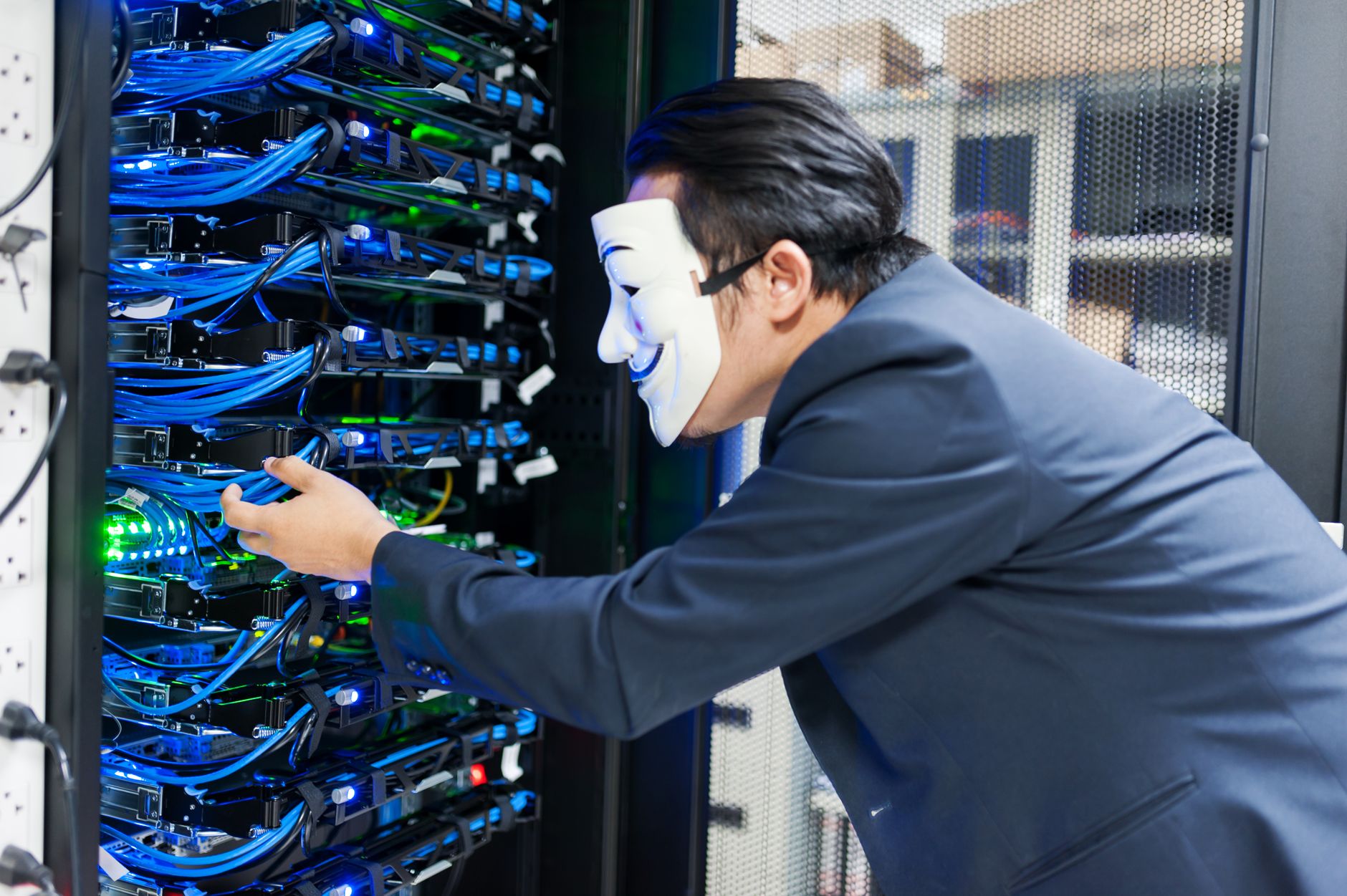
This trojan has been documented in sandbox environments and threat intelligence databases since at least mid-2026, with detections spanning multiple antivirus engines. Its relatively simple design makes it attractive to less-sophisticated threat actors, but that simplicity doesn't make it any less dangerous when it lands on your PC.
Threat Profile
| Malware Name | Reshell |
|---|---|
| Threat Type | Remote Access Trojan (RAT) |
| Platform | Windows (PE executable) |
| File Type | Windows PE executable (.exe) |
| First Documented | 2026 or earlier |
| Known Aliases | Reshell (primary designation) |
| Primary Payload | Reverse shell / command-and-control access |
| Typical File Size | Varies (often under 500 KB for minimal builds) |
| Detection Rate | Moderate to high across major AV engines |
| Persistence Mechanism | Registry run keys, scheduled tasks, service installation |
| Data at Risk | Credentials, files, keystrokes, screenshots |
| Severity | High (full system compromise potential) |
How It Spreads
Reshell typically arrives through social engineering and file-sharing channels rather than automated exploits. Attackers rely on tricking you into running the malicious executable, often disguising it as a legitimate installer, cracked software, or a document with a double extension like invoice.pdf.exe. Because it's a straightforward PE file, it doesn't require elaborate delivery infrastructure — just a way to convince you to click.
We've seen this style of RAT distributed through phishing emails, torrent sites advertising "free" versions of paid software, and compromised downloads from sketchy third-party software repositories. In some cases, Reshell is dropped as a second-stage payload by a loader or trojan downloader that already has a foothold on your system.
Common distribution vectors include:
- Email attachments — ZIP archives or executables posing as invoices, resumes, or shipping notices
- Software cracks and keygens — bundled with pirated applications downloaded from warez forums or torrent trackers
- Malicious advertisements — fake download buttons on file-sharing sites that serve the trojan instead of the file you wanted
- Compromised installers — legitimate-looking setup files repackaged to include the RAT
- Dropper malware — a first-stage infection that downloads and executes Reshell silently
- USB drives and removable media — less common but still effective in office or shared-computer environments
What It Does On Your Machine
Once executed, Reshell establishes a reverse shell connection to an attacker-controlled command-and-control (C2) server. A reverse shell works by having your infected computer initiate the outbound connection — sidestepping most firewall rules that block incoming traffic. The attacker then has a remote terminal session on your machine, able to run commands as if they were sitting at your keyboard.
The trojan typically installs itself in a user or system directory, creates persistence mechanisms to survive reboots, and begins beaconing to its C2 server at regular intervals. During sandbox analysis, researchers have observed Reshell modifying registry keys to launch at startup, creating scheduled tasks, and in some configurations, installing itself as a Windows service with a deceptive name like "Windows Update Assistant" or "System Maintenance Service."
With shell access established, attackers can exfiltrate files, capture screenshots, log keystrokes using built-in Windows tools or additional payloads, install ransomware, pivot to other machines on your network, or simply lurk and gather credentials over weeks or months. Because the communication happens over standard network protocols (often HTTP or raw TCP sockets), it blends in with normal traffic and may not trigger immediate alarms.
The real danger isn't just what Reshell does on its own — it's what happens after. Attackers with shell access can deploy credential stealers, install cryptocurrency miners, exfiltrate your business documents, or use your machine as a jump point to infect other systems on your network. The longer it goes undetected, the worse the damage becomes.
Manual Removal — Step by Step
Disconnect From the Network
Unplug your Ethernet cable or turn off Wi-Fi immediately. This severs the attacker's connection and prevents further commands from being executed or data from being exfiltrated while you work on removal.
Boot Into Safe Mode with Networking
Restart your PC and tap F8 (or hold Shift while clicking Restart on Windows 10/11) to access the boot menu. Select Safe Mode with Networking. This loads Windows with minimal drivers and prevents most malware from auto-starting.
Run a Full System Scan with Updated Antivirus
Open your antivirus software (Windows Defender, Malwarebytes, etc.) and ensure definitions are current. Run a full system scan — not a quick scan. Let it complete even if it takes hours. Quarantine or delete any detections related to Reshell or generic trojan/backdoor signatures.
Check Startup Items and Scheduled Tasks
Open Task Manager (Ctrl+Shift+Esc), go to the Startup tab, and disable anything unfamiliar or located in suspicious directories like AppData\Roaming or Temp. Then open Task Scheduler (taskschd.msc) and review the task library for entries with generic names or unknown publishers. Delete any that reference the trojan's file path.
Inspect Registry Run Keys
Press Win+R, type regedit, and navigate to HKEY_CURRENT_USER\Software\Microsoft\Windows\CurrentVersion\Run and HKEY_LOCAL_MACHINE\...\Run. Look for entries pointing to executables in user folders or Temp directories. Right-click and delete any that match the trojan's paths. Be cautious — legitimate software also uses these keys, so if you're uncertain, write down the entry and research it first.
Delete the Trojan Files Manually
Using File Explorer, navigate to the paths identified by your antivirus or in the terminal output above. Common locations include C:\Users\[YourName]\AppData\Roaming and C:\Windows\Temp. Delete any executables with suspicious names (often disguised as system processes like svchost32.exe or winlogon.exe). Empty the Recycle Bin afterward.
Check for Additional Payloads
Reshell may have downloaded other malware. Run a second scan with a different tool — if you used Windows Defender first, try Malwarebytes or HitmanPro. Cross-checking with a second engine catches stragglers and newly installed threats.
Review Installed Programs
Open Settings > Apps > Installed apps (or Control Panel > Programs and Features on older Windows). Sort by install date and uninstall anything unfamiliar that appeared around the time you suspect the infection started. Some RATs install as fake utilities with generic names.
Change All Passwords from a Clean Device
Assume every password entered on the infected machine has been compromised. Use a smartphone, tablet, or another computer to change passwords for email, banking, social media, and any work accounts. Enable two-factor authentication wherever possible.
Monitor for Reinfection
Reboot normally and watch Task Manager, network activity, and startup behavior for the next few days. If you see the same suspicious processes or connections reappear, the removal wasn't complete — bring the machine to us for a deeper forensic clean and possible OS reinstall.
Prevention
- Never download software from unofficial sources. Pirated applications, keygens, and "cracked" games are the number-one delivery mechanism for RATs like Reshell. Stick to vendor websites and trusted repositories.
- Be skeptical of email attachments. Even if a message looks legitimate, verify the sender before opening executables or archives. Call the supposed sender using a known-good phone number — not one listed in the email itself.
- Keep antivirus and Windows up to date. Enable automatic updates for your OS and security software. Definitions and patches close the vulnerabilities and detect the signatures that allow trojans to slip through.
- Use a standard user account for daily work. Reserve the administrator account for installations and system changes. Malware running under a limited account has fewer privileges to install persistence mechanisms or modify system files.
- Enable a software firewall and monitor outbound connections. Tools like GlassWire or the built-in Windows Firewall can alert you when unfamiliar programs try to phone home. Investigate any unexpected network activity.
- Disable macros and script execution by default. In Microsoft Office, set macro security to "Disable all macros without notification" unless you specifically need them for work.
- Implement application whitelisting on business networks. Tools like Windows AppLocker or third-party solutions prevent unauthorized executables from running, stopping RATs before they start.
- Educate everyone who uses your computers. Family members and employees need to recognize phishing attempts and understand why clicking "free download" buttons on shady sites is a bad idea. A little training goes a long way.
Bring It In
Manual removal works if you catch the infection early and feel confident working in Safe Mode and the registry, but Reshell's stealthy nature means there's often more going on under the hood than a quick scan will reveal. Attackers with shell access may have planted rootkits, credential stealers, or backdoors that survive basic cleanup attempts. If you're seeing suspicious network activity, recurring detections, or just want peace of mind that your machine is truly clean, bring it to our Roswell shop.
We'll perform a full forensic analysis, check for persistence across all the places malware loves to hide, verify your boot sectors and system files are intact, and — if necessary — recommend a clean OS reinstall with full data backup and migration. Call us at (770) 637-1435 or stop by 1731 Woodstock Road, Roswell, GA 30075. We're open six days a week, and we'll have your system back to you secure, fast, and covered by our 90-day malware-free guarantee. No one should have to live with a compromised computer — let's fix it right.