Trojan:Win32/Rug.MIBA is a sophisticated trojan-class malware that operates as a multi-stage payload delivery system on Windows machines. First documented in late 2022, this threat belongs to the "Rug" trojan family and typically arrives through deceptive software bundles or compromised advertising networks. Once established on a system, it creates multiple persistence mechanisms while downloading additional malicious components that can range from information stealers to backdoor access tools.
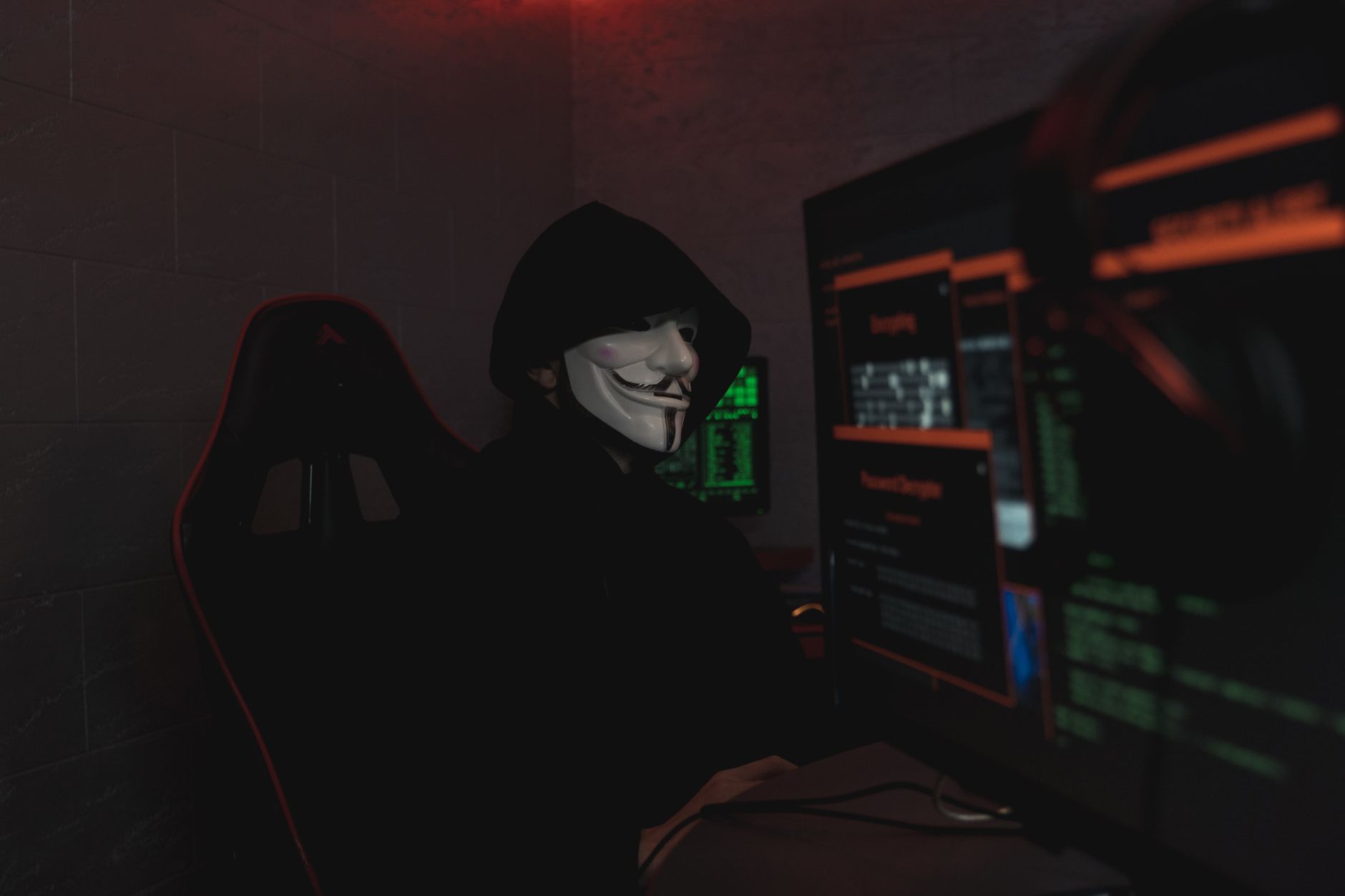
What makes this particular variant concerning is its modular architecture—the initial dropper is relatively small and designed to evade detection while it retrieves its actual payload from command-and-control servers. Many victims don't realize they're infected until secondary symptoms appear: unexplained system slowdowns, unauthorized browser modifications, or security software being mysteriously disabled. By that point, the trojan may have already exfiltrated sensitive data or installed cryptocurrency miners that consume system resources.
Threat Profile
| Attribute | Details |
|---|---|
| Malware Family | Trojan:Win32/Rug (MIBA variant) |
| Classification | Trojan-Dropper / Trojan-Downloader |
| Aliases | Win32.Rug.MIBA, W32/Rug!tr, Trojan.Generic.MIBA (varies by AV vendor) |
| Platform | Windows 7 through Windows 11 (32-bit and 64-bit) |
| First Documented | Q4 2022 (family active since ~2021) |
| Distribution Vectors | Software bundles, malvertising, pirated software installers, fake update prompts |
| Persistence Mechanisms | Registry Run keys, Scheduled Tasks, COM hijacking, startup folder entries |
| Primary Capabilities | Payload delivery, system reconnaissance, defense evasion, secondary malware installation |
| Typical Payload Size | Initial dropper: 200-800 KB; downloaded components: varies (2-15 MB total) |
| Network Behavior | Outbound HTTPS connections to C2 servers, attempts to disable Windows Firewall notifications |
| Common Artifacts | Random-named executables in %APPDATA% or %LOCALAPPDATA%, modified registry policy keys |
| Removal Difficulty | Moderate to High (multiple components, persistence across safe mode in some configurations) |
How It Spreads
Trojan:Win32/Rug.MIBA rarely arrives alone or through a single distribution channel. The threat actors behind this malware employ a multi-pronged distribution strategy that capitalizes on common user behaviors and trust assumptions. The most prevalent infection vector involves software bundling—the trojan piggybacks on legitimate-looking freeware installers that users download from third-party software repositories, torrent sites, or through search engine manipulation that pushes malicious download pages to the top of results for popular software titles.
Another significant distribution method is malvertising campaigns. Users encounter seemingly legitimate advertisements on both reputable and questionable websites. These ads may impersonate system notifications claiming your Flash Player is outdated, your video codec needs updating, or that your PC has performance issues requiring immediate attention. Clicking these ads initiates a download chain that ultimately delivers the Rug trojan. The malvertising infrastructure is sophisticated enough to perform client-side fingerprinting, ensuring the malicious payload is only served to systems it can successfully compromise.
We've also seen this variant distributed through more targeted methods in small business environments:
- Compromised software installers: Legitimate-looking setup files for popular utilities (PDF readers, media players, system optimizers) that have been repackaged to include the trojan dropper
- Fake update notifications: Browser pop-ups or desktop notifications mimicking Windows Update, Adobe, Java, or browser update prompts
- Email attachments: Less common for this variant, but documented in phishing campaigns using invoice-themed emails with malicious attachments
- Drive-by downloads: Exploit kits on compromised websites that target outdated browser plugins or operating system vulnerabilities
- Pirated content: Bundled with cracked software, key generators, or game installers from illegal download sites
- Peer-to-peer networks: Distributed through torrent files that masquerade as popular software, movies, or games
What It Does On Your Machine
Once executed, Trojan:Win32/Rug.MIBA follows a predictable but effective infection sequence. The initial dropper performs reconnaissance—it fingerprints your system to determine OS version, installed security software, system architecture, and network configuration. This information gets transmitted back to the command-and-control infrastructure, which then decides what secondary payloads are most appropriate for your specific machine. The trojan is particularly adept at detecting virtual machine environments or sandboxes, often remaining dormant or executing only benign operations when it suspects analysis.
The persistence mechanisms are redundant by design. The malware creates multiple scheduled tasks that execute at system startup and at regular intervals throughout the day. It adds entries to several registry Run keys, ensuring execution even if one persistence method is discovered and removed. Some variants modify Windows policies to disable security notifications, making it harder for users to notice something is amiss. The trojan typically installs itself in user-writable locations to avoid requiring administrative privileges, though it will leverage UAC bypass techniques if administrator access is available.
After establishing persistence, the trojan's true purpose becomes apparent: it's a delivery vehicle for additional malware. Depending on the campaign and the infected system's profile, Rug.MIBA may download information-stealing malware that targets browser credentials, cryptocurrency wallets, or FTP client saved passwords. We've seen it deliver browser hijackers that modify search settings and inject advertisements. In some cases, it installs cryptocurrency miners that consume CPU and GPU resources, causing system slowdowns, overheating, and increased electricity costs. The modular nature means your infection could be doing any combination of these activities.
The network behavior is designed to blend in with legitimate traffic. The trojan uses HTTPS connections to communicate with its command servers, making it difficult for network monitoring tools to inspect the payload contents. The C2 domains frequently change and often hide behind content delivery networks or compromised legitimate websites. Some variants implement a domain generation algorithm (DGA) that creates hundreds of potential domains to contact, ensuring that even if most C2 servers are taken down, the malware can still receive instructions.
Manual Removal — Step by Step
Disconnect from Network Immediately
Before proceeding with removal, physically disconnect your computer from the internet by unplugging the Ethernet cable or disabling WiFi. This prevents the trojan from receiving additional instructions, downloading further payloads, or exfiltrating data during the removal process. If you're on a business network, inform your IT administrator before disconnecting.
Boot into Safe Mode with Networking
Restart your computer and repeatedly press F8 during startup (on Windows 10/11, hold Shift while clicking Restart, then navigate to Troubleshoot > Advanced Options > Startup Settings > Restart > press 5 for Safe Mode with Networking). Safe mode loads only essential drivers and services, preventing many malware components from launching automatically. The networking capability allows you to download removal tools if needed.
Show Hidden Files and Folders
Open File Explorer, click View, then check "Hidden items" and "File name extensions." The trojan files are typically hidden from normal view. You'll need visibility to locate and delete them. Also navigate to Folder Options > View tab > uncheck "Hide protected operating system files" temporarily—just remember to re-enable this protection after cleanup.
Identify and Kill Malicious Processes
Open Task Manager (Ctrl+Shift+Esc). Look for suspicious processes with random names, processes claiming to be "svchost.exe" but running from user directories (legitimate svchost only runs from System32), or processes consuming unusual resources. Right-click suspicious processes, select "Open file location"—if it points to AppData folders, it's likely malicious. Note the location, then end the process. Be cautious: some legitimate software stores files in AppData, so verify before deletion.
Remove Persistence Mechanisms
Open Registry Editor (type regedit in Start menu). Navigate to HKEY_CURRENT_USER\Software\Microsoft\Windows\CurrentVersion\Run and HKEY_LOCAL_MACHINE\SOFTWARE\Microsoft\Windows\CurrentVersion\Run. Look for entries that reference the suspicious file locations you identified. Delete any entries pointing to AppData folders with random names. Next, open Task Scheduler (type taskschd.msc), expand Task Scheduler Library, and look for tasks with suspicious names or those executing files from the identified malware locations—delete these tasks.
Delete Malware Files and Folders
Navigate to the file locations you identified earlier—typically C:\Users\[YourName]\AppData\Local or AppData\Roaming. Delete the entire folder containing the malicious executable. Also check your Startup folder (press Win+R, type shell:startup, press Enter) and delete any suspicious shortcuts. Check the Temp folder (Win+R, type %temp%, Enter) and delete its entire contents—these are temporary files and safe to remove.
Scan with Reputable Anti-Malware Tools
Download and run Malwarebytes Free (while still in Safe Mode, reconnect to internet briefly if needed). Perform a full system scan—not a quick scan. Malwarebytes is particularly effective at detecting trojan components that traditional antivirus misses. Also run a scan with your primary antivirus if it's a reputable product (Windows Defender, Norton, Bitdefender, etc.). Some infections require multiple scanning tools to fully eradicate all components.
Reset Browser Settings
If the trojan modified your browser, open each browser's settings and perform a reset. In Chrome: Settings > Advanced > Reset settings. In Firefox: Help > More troubleshooting information > Refresh Firefox. In Edge: Settings > Reset settings > Restore settings to their default values. This removes unauthorized extensions and restores homepage and search engine settings. You'll need to re-login to sites and reconfigure preferences.
Change Passwords from a Clean Device
Because Trojan:Win32/Rug.MIBA may have installed credential-stealing components, assume all passwords stored or entered on the infected machine are compromised. Using a different device (smartphone, tablet, another computer), change passwords for email, banking, social media, and any other accounts accessed from the infected PC. Enable two-factor authentication wherever possible for added security.
Reboot and Verify Removal
Restart your computer normally (not in Safe Mode). Monitor system behavior for the next several days. Watch for unexpected CPU usage, unfamiliar processes in Task Manager, browser behavior changes, or security software being disabled. Run another full scan with your anti-malware tools after 24-48 hours to confirm no components reinstalled themselves. If symptoms persist or you're uncertain about complete removal, professional assistance is recommended.
Prevention
- Download software only from official sources: Always get software directly from the developer's official website, never from third-party download sites, file-sharing networks, or search result ads. These alternative sources frequently bundle malware with legitimate installers.
- Read installation prompts carefully: When installing any software, choose "Custom" or "Advanced" installation and read each screen. Decline any bundled toolbars, browser extensions, or additional software you didn't specifically request. Many infections succeed because users click "Next" repeatedly without reading.
- Keep Windows and software updated: Enable automatic updates for Windows, your browser, and common plugins like Adobe Reader and Java (or better yet, uninstall Java if you don't specifically need it). Security patches close vulnerabilities that trojans exploit for initial access.
- Use reputable security software: Install and maintain a good antivirus/anti-malware solution. Windows Defender (built into Windows 10/11) is adequate for most users if kept updated. Consider supplementing with periodic scans from Malwarebytes Free. Ensure real-time protection is enabled.
- Enable Windows User Account Control (UAC): Don't disable UAC prompts—they're annoying by design. When you see an unexpected UAC prompt asking for administrator permission, especially from an unfamiliar program, click "No" and investigate what triggered the request.
- Be skeptical of update notifications: Legitimate software updates through the software itself, not through browser pop-ups or random desktop notifications. If you see an update prompt, close it and manually check for updates through the software's settings or the official website.
- Backup critical data regularly: Maintain regular backups to an external drive or cloud service that isn't continuously connected to your PC. While backups won't prevent infection, they ensure you won't lose important files if malware removal requires drastic measures.
- Practice healthy browsing habits: Avoid piracy and illegal download sites—they're hotbeds of malware distribution. Be wary of too-good-to-be-true offers. Don't click on ads promising system optimization or virus detection—legitimate security companies don't advertise that way.
Bring It In
Manual trojan removal requires technical knowledge, patience, and confidence that you've found all components. If you're uncertain about any step, uncomfortable editing the registry, or simply don't have time to troubleshoot for several hours, bring your computer to our Roswell location. We've successfully removed Trojan:Win32/Rug.MIBA and similar threats from hundreds of machines over the years. Our technicians use professional-grade diagnostic and removal tools not available to consumers, and we verify complete eradication before returning your system.
We're located in Roswell, Georgia, and serve homeowners and businesses throughout the north metro Atlanta area. Call us at (770) 992-9492 to describe your symptoms, or stop by during business hours—no appointment necessary for drop-offs. Most malware removals are completed within 24-48 hours, and we'll provide a full report of what was found, what was removed, and recommendations to prevent reinfection. Don't let a trojan infection compromise your data security or system performance—let's get your computer clean and protected.